How to document a fast-changing product: agile documentation tips
Features shift, screens change and the documentation is out of date by Friday. Here is how to keep up without writing everything twice.
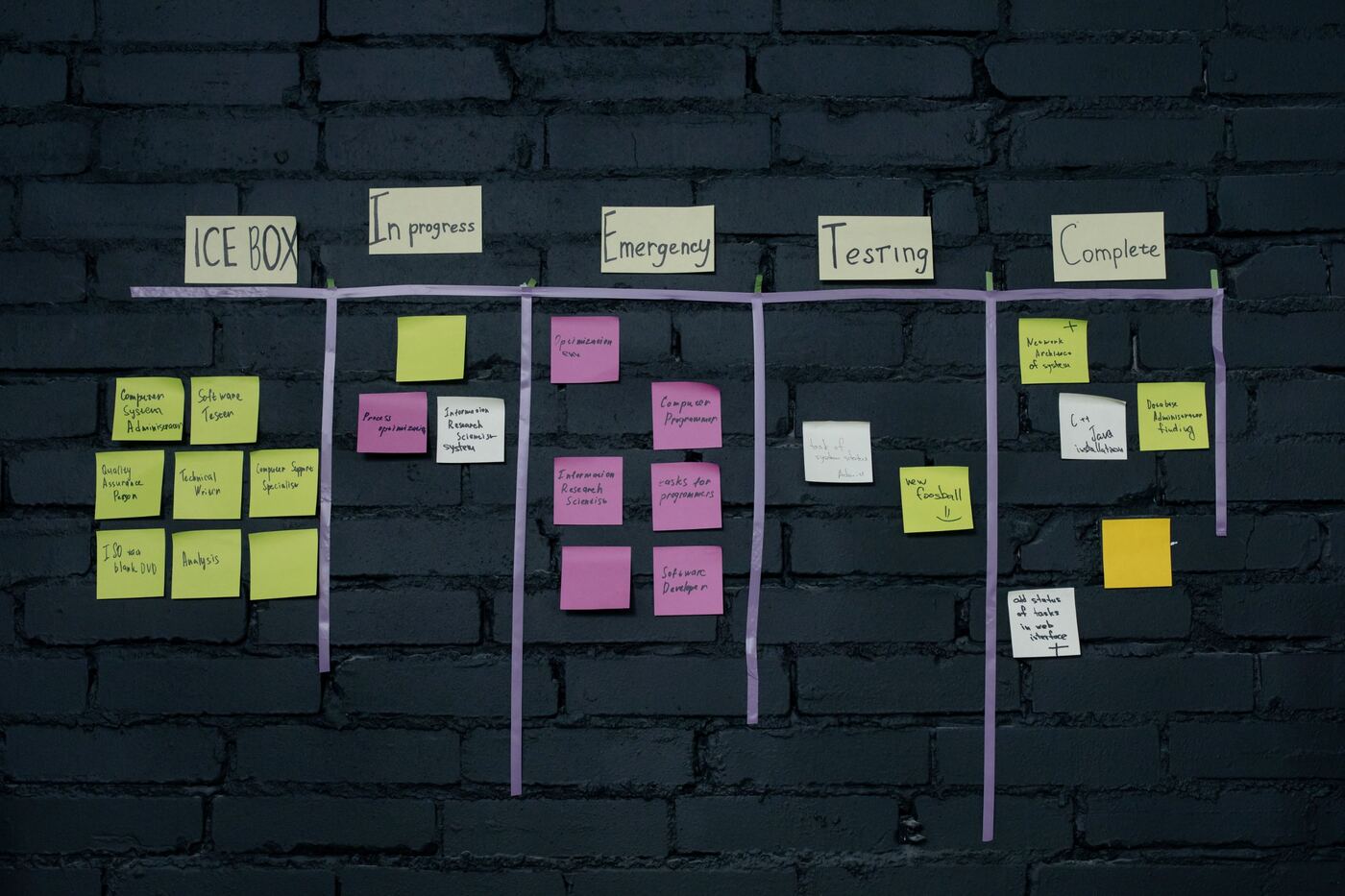
- Document stable concepts in depth and volatile details lightly.
- Join the process early, so documentation starts with the feature and not after it ships.
- Write less that can go stale, and automate what can be generated.
You finish a guide on Thursday. On Friday morning, a button gets renamed, a screen gets redesigned and a feature goes behind a flag for one customer. By Monday your guide describes a product that no longer exists. If your team ships every week or two, this is just Tuesday.
It is one of the most common frustrations in technical writing. The good news is that it is manageable, and not by typing faster.
Separate what lasts from what churns
Concepts, workflows and the reasons behind design choices change slowly. Button labels, layouts and minor options change all the time. Put most of your effort into the first group, and describe the second group in a way that survives small changes. "Open the Billing settings" outlasts "click the third icon on the left." Use screenshots only where they remove real doubt, and crop them to the relevant part. Keep version-specific details in one place, such as a compatibility table, so there is a single page to update.
Get in early
The biggest improvement is usually not a writing technique but a seat in the process. Make documentation part of the definition of done for any feature that changes what users see. Sit in planning, even silently, so you hear about changes weeks before release. Ask for two lines on each ticket: what changed for the user, and who to ask. Draft against staging while the feature is still being built, and do a short check just before release to confirm names and behavior.
Write less that can rot
Reuse content, so a procedure written once appears in every place it is needed and one edit fixes them all. Generate what can be generated: an API reference built from an OpenAPI specification keeps pace with the code by itself. Consider docs as code, so documentation changes ship with the code that caused them. And date or version your content, so readers can tell what applies to them. See what docs as code means.
Agree what deserves a page
Not every change needs full documentation straight away. Settle with the product team which changes need a page, which need a line in the release notes and which need nothing at all. That conversation protects the writer's time and makes priorities visible, which is half the battle.
A lightweight process that survives a busy sprint
The teams that keep documentation current in fast-moving products rarely have a heavy process. They have a small one that people actually follow. Here is a version that works with most agile teams.
- When a ticket is created, add a label if it changes something users see. That label is the signal for documentation.
- At refinement, ask one question: what will a user need to know when this ships?
- Draft the page or the update while the feature is in review, using the ticket and the build in staging.
- Have one engineer check the draft in the same pull request or review cycle as the code.
- Publish with the release, and note in the release notes which pages changed.
The key is that documentation is tracked in the same place as the work. If it lives in a separate list, it will fall behind within a few sprints.
What to do when you cannot keep up
Sometimes the product moves faster than any writer can follow. When that happens, say so, and choose where to spend the time. Cover the parts that users touch most and that change least first. For features still in flux, publish a short, honest page that says what the feature does today and links to release notes for changes. A short accurate page beats a long one that is half wrong.
- Mark early-access and beta features clearly, with a note that behavior may change.
- Keep a visible "last reviewed" date on pages that depend on fast-changing settings.
- Use release notes for what changed and keep guides for how things work.
- Retire pages for removed features quickly, or redirect them.
Working with product and engineering
Fast teams benefit from a writer who joins planning, not one who arrives after release. Ask to be added to the channel where changes are discussed. Read pull request titles. Sit in on demos when you can. You will learn what is coming weeks earlier and spot documentation gaps before they turn into support tickets. For more on running this kind of embedded model, read our guide to embedded writers and documentation teams.
Should documentation be part of the definition of done?
Yes. If a change affects users, the feature is not done until its documentation is drafted and reviewed. It is the single most effective habit for keeping docs current.
How do you document a feature that is still changing?
Write only what is stable, label the rest as in progress, and link to release notes for updates. Avoid detailed screenshots until the interface settles.
Is it better to write docs before or after the code?
Drafting alongside development works best. You can catch confusing behavior early, and the page is ready when the feature ships.
This is where embedded technical writers work best, because they sit in your sprints and see changes as they happen. For teams that prefer a managed approach, our end-to-end documentation service builds the same habits into a process we run for you.
Need help with documentation?
Tell us what you are working on. We will tell you how we would approach it.